Signs & Symptons of Overtraining in Triathletes
by Nadezhda Pavlova, Dep Executive Editor
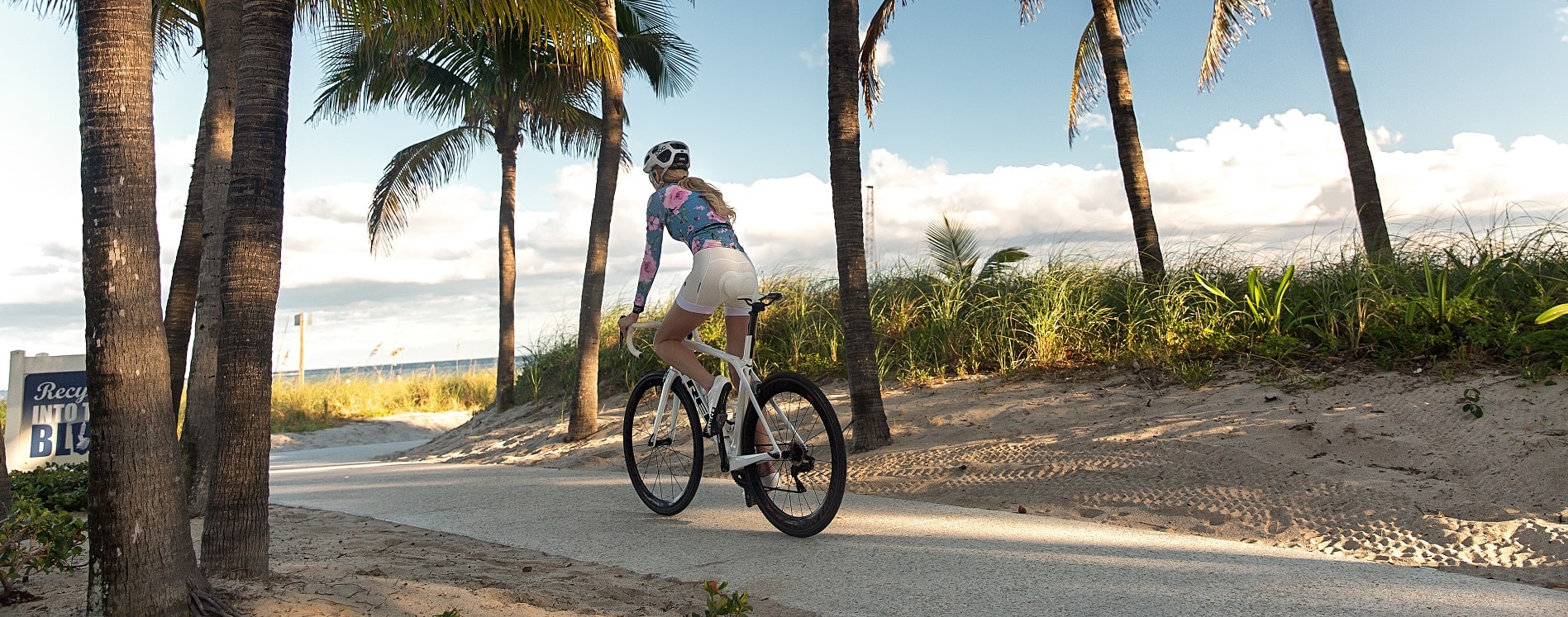
Most beginner athletes, including triathletes, have the opinion that at each training session you need to give all the best – only then you can achieve the result 🙁
Of course, if they heard about a cyclic change in load, they surely don’t want to put it into practice, wanting to take “everything at once”, and thereby driving themselves into a chronic overtraining regime, as a result of which the sport as a whole and the triathlon particular. More experienced athletes are also not immune from overtraining, because in the pursuit of serious sporting achievements they are forced to endure quite serious physical exertion, sometimes forgetting to fully recover after training.
So, the signs and symptoms of overtraining:
Too often, athletes and cyclists will train over worsening injuries, simply filling their body with painkillers. don’t do this – allow the body time to rest and to heal. Yes, if it’s a shoulder injuery, then you can fix the bike to an interactive trainer (see our blogs about Elite Trainers); but don’t focus training on injured areas – avoid it or you could cause permanent damage.
Read my blogs too about motivation and how to maintain it. Being focused and positive is sometimes tough, so don’t be afraid to admit that you’re simply unmotivated and lethargic. Recognition allows you to deal with the issue.
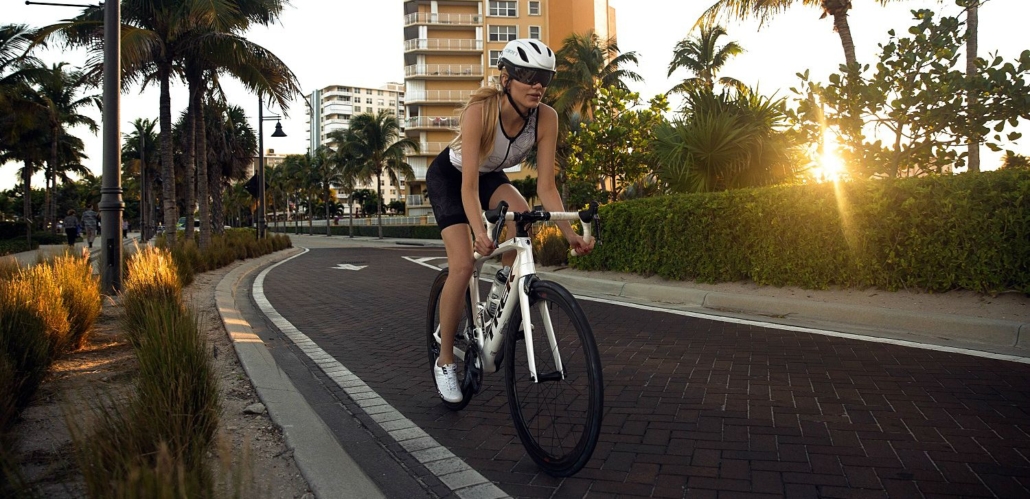
Make sure that you have a good sleep pattern and that you don’t try to cram too much into every day. And mix up your training too. See my blog about Brick Workouts and also add some fun.
If you experience any of these symptons, be sure to take a day or two rest, and maybe a week. After resting, return to training, but do not try to take on maximum loads, begin to increase the load cyclically, starting with small volumes for a workout. If after rest, the condition has not improved, you should definitely consult a doctor, as some of the above symptoms may be a sign of nutritional deficiency.
Take a look at the foot of this page and click the link to read my blog about nutrition for triathletes.
 https://pedalnorth.com/wp-content/uploads/2026/07/Nadezhda-in-berry-coloured-Ale-ss-jersey-and-white-voltage-bib-shorts-Barcelona-2026-5.jpg
1920
1641
Pedalnorth Website
https://pedalnorth.com/wp-content/uploads/2026/02/Pedalnorth-final-logo-and-wording-for-February-2026.svg
Pedalnorth Website2026-07-30 21:20:362026-07-30 21:37:16ALÉ Women’s Summer Cycling Kit – 2026
https://pedalnorth.com/wp-content/uploads/2026/07/Nadezhda-in-berry-coloured-Ale-ss-jersey-and-white-voltage-bib-shorts-Barcelona-2026-5.jpg
1920
1641
Pedalnorth Website
https://pedalnorth.com/wp-content/uploads/2026/02/Pedalnorth-final-logo-and-wording-for-February-2026.svg
Pedalnorth Website2026-07-30 21:20:362026-07-30 21:37:16ALÉ Women’s Summer Cycling Kit – 2026 https://pedalnorth.com/wp-content/uploads/2026/03/Nadezhda-in-winter-Jelenew-purple-jersey-near-Barcelona-2026-1.jpg
1919
1280
Pedalnorth Website
https://pedalnorth.com/wp-content/uploads/2026/02/Pedalnorth-final-logo-and-wording-for-February-2026.svg
Pedalnorth Website2026-03-14 17:41:252026-03-14 17:52:05Time Scylon – a bike built for truth
https://pedalnorth.com/wp-content/uploads/2026/03/Nadezhda-in-winter-Jelenew-purple-jersey-near-Barcelona-2026-1.jpg
1919
1280
Pedalnorth Website
https://pedalnorth.com/wp-content/uploads/2026/02/Pedalnorth-final-logo-and-wording-for-February-2026.svg
Pedalnorth Website2026-03-14 17:41:252026-03-14 17:52:05Time Scylon – a bike built for truth https://pedalnorth.com/wp-content/uploads/2019/10/Nadezhda-tri-suit-featured-smaller-image.jpg
2122
1800
Pedalnorth Website
https://pedalnorth.com/wp-content/uploads/2026/02/Pedalnorth-final-logo-and-wording-for-February-2026.svg
Pedalnorth Website2026-01-17 11:52:482026-02-02 17:45:45Choosing a triathlon bike
https://pedalnorth.com/wp-content/uploads/2019/10/Nadezhda-tri-suit-featured-smaller-image.jpg
2122
1800
Pedalnorth Website
https://pedalnorth.com/wp-content/uploads/2026/02/Pedalnorth-final-logo-and-wording-for-February-2026.svg
Pedalnorth Website2026-01-17 11:52:482026-02-02 17:45:45Choosing a triathlon bike https://pedalnorth.com/wp-content/uploads/2024/11/Nadezhda-training-pre-bike-leg-at-Turkey-Iroman-2024.webp
1256
1920
Pedalnorth Website
https://pedalnorth.com/wp-content/uploads/2026/02/Pedalnorth-final-logo-and-wording-for-February-2026.svg
Pedalnorth Website2025-01-21 18:00:052025-01-27 10:25:50How to increase your FTP on the bike
https://pedalnorth.com/wp-content/uploads/2024/11/Nadezhda-training-pre-bike-leg-at-Turkey-Iroman-2024.webp
1256
1920
Pedalnorth Website
https://pedalnorth.com/wp-content/uploads/2026/02/Pedalnorth-final-logo-and-wording-for-February-2026.svg
Pedalnorth Website2025-01-21 18:00:052025-01-27 10:25:50How to increase your FTP on the bike